
What is melanin?
Melanin is a natural pigment that contributes to the colour of your skin, hair and eyes. In the skin, it is produced by specialised cells called melanocytes and distributed to surrounding skin cells.
It is also central to the tanning process. When skin is exposed to ultraviolet radiation, pigmentation can increase as part of the skin's biological response to that exposure. The increased pigment is what produces the darker colour we recognise as a tan.
How does the skin make melanin?
The process through which melanin is produced is known as melanogenesis.
Melanocytes manufacture melanin inside structures called melanosomes. These pigment-containing structures are then transferred to neighbouring skin cells, helping to create the pigmentation visible at the surface of the skin.
Several biological steps are involved in melanogenesis. Tyrosine and the enzyme tyrosinase both play important roles within the pathway through which melanin is produced.
What are eumelanin and pheomelanin?
Melanin is not a single uniform pigment. Two of the main forms involved in human pigmentation are eumelanin and pheomelanin.
Eumelanin
- Colour: Typically dark brown to black.
- Role: Contributes strongly to darker skin, hair and eye pigmentation.
- UV interaction: Absorbs ultraviolet radiation more effectively than pheomelanin.
Pheomelanin
- Colour: Typically red to yellow.
- Role: More strongly associated with lighter pigmentation and red or blonde colouring.
- UV interaction: Provides less effective protection against ultraviolet radiation than eumelanin.
Everyone has their own genetically influenced balance and distribution of these pigments, which is one reason people can respond differently to UV exposure.
What happens to melanin when skin tans?
UV exposure can affect skin pigmentation in more than one way. Existing pigment can darken, while exposure can also trigger biological signalling associated with increased melanogenesis.
This is why tanning is not always an immediate process. Some pigmentation changes can appear relatively quickly, while other colour development becomes more noticeable later as the skin's response continues.
Why do some people tan more easily than others?
People's natural pigmentation and tanning response vary considerably. Genetics influence the type, amount and behaviour of melanin in the skin, meaning two people exposed to the same conditions may develop very different levels of pigmentation.
Natural skin tone, pigmentation characteristics and individual response to UV exposure all play a part. This is why somebody else's tanning routine should never be treated as a guide to how your own skin will respond.
Does having more melanin make UV tanning safe?
No. Melanin does have a photoprotective role, particularly eumelanin, because it can absorb and scatter some ultraviolet radiation. However, natural pigmentation does not make UV exposure harmless and a developed tan should not be treated as a substitute for sun protection.
The FDA describes increased melanin following UV exposure as part of the skin's response to damage, and research has found that a UVA-induced tan provides very little protection against later UV exposure.
How do tanning lotions relate to melanin?
Tanning lotions do not all work in the same way. Some contain cosmetic bronzers that add visible colour independently of the skin's natural melanin response, while accelerators and maximisers may be formulated around ingredients associated with the natural tanning process.
This distinction is useful when choosing a product. A bronzer can affect how dark the skin looks, while a non-bronzing accelerator or maximiser is generally positioned around supporting a tanning routine without relying on instant cosmetic colour.
What tanning ingredients are associated with melanogenesis?
One of the ingredients most closely connected to the biological pathway is tyrosine, an amino acid involved in melanin production. Tyrosinase is the enzyme that helps drive important stages of this pathway.
Some more specialised tanning formulas also contain cosmetic actives designed around melanogenesis or tyrosinase activity. This is where ingredients such as Thalitan and tyrosine become particularly interesting when comparing different tanning accelerators and maximisers.
Read our guide to Thalitan and tyrosine for a closer look at how these two tanning-support ingredients differ.
Is melanin the same thing as a cosmetic bronzer?
No. Melanin is pigment produced naturally within the skin. Cosmetic bronzers work differently by adding or developing visible colour without being the melanin naturally produced by melanocytes.
This means a product can make skin look more bronzed without necessarily representing an increase in natural melanin. The distinction is useful when comparing bronzers with tanning accelerators and maximisers.
Does melanin provide SPF?
Natural melanin can reduce some penetration of ultraviolet radiation, but it should never be treated as equivalent to applying an SPF product. Research also shows that an acquired tan provides only limited protection.
Tanning accelerators and maximisers should not be assumed to contain sun protection unless an SPF is specifically stated on the product.
Looking for tanning lotions designed around natural colour development?
Explore tanning accelerators and maximisers, including formulas featuring ingredients associated with the skin's natural tanning process.
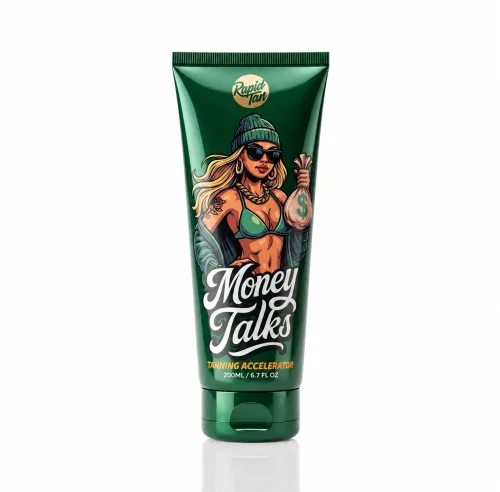
Money Talks - New Formula with 5% THALITAN, Tyrosine, Carotene and Shea Butter
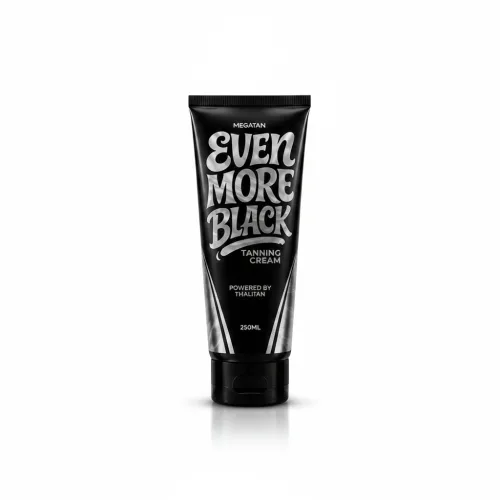
Even More Black Tanning Accelerator Cream

2bTanned Peach Tanning Accelerator Cream with Thalitan

Rapid Tan Vanilla Baby Advanced Tanning Accelerator 360ml
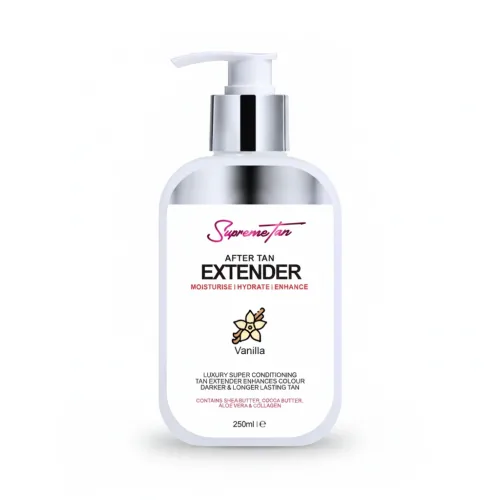
Supreme Tan After Tan Extender Lotion
Explore Maximisers